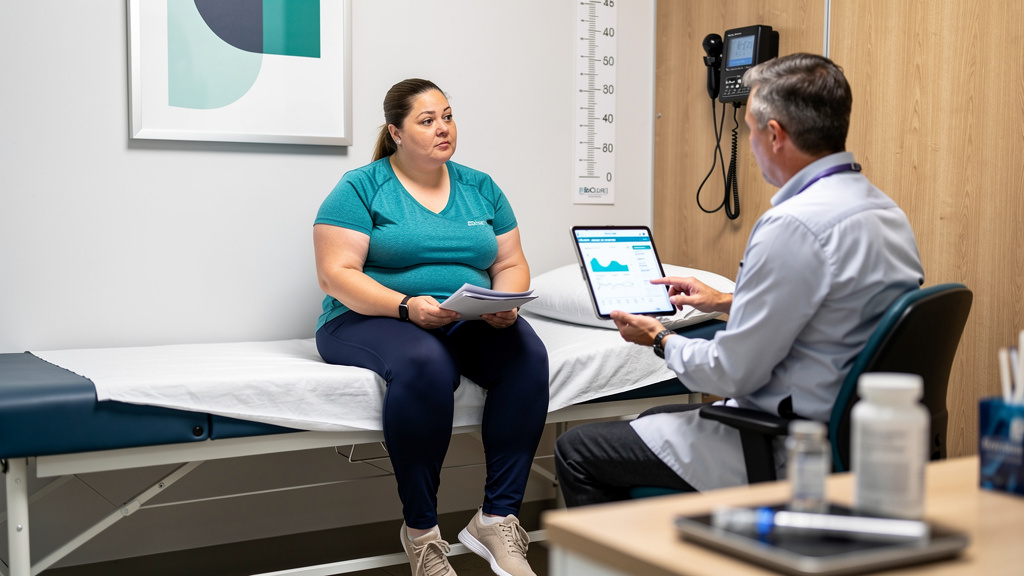
Do you qualify for GLP-1 weight-loss medication? BMI rules and next steps
You may qualify for GLP-1 medication, but first find out why the weight is coming on. Wegovy (semaglutide) and Zepbound (tirzepatide) are FDA approved for adults with a BMI of 30 or higher, or a BMI of 27 or higher with at least one weight-related condition such as high blood pressure, type 2 diabetes or high cholesterol. If you meet those criteria, have no contraindications, and blood work rules out causes like hypothyroidism or a medication side effect, a GLP-1 is worth a serious conversation with a physician.
Most answers to "why am I gaining weight despite eating healthy and exercising" stop at the list of causes. This post takes you from that list to an actual decision.
Step one: rule out why the scale is moving
Weight gain despite healthy eating and exercise usually has an explanation, and some of those explanations are not fat at all. Before you think about medication, work through the common causes.
| Possible cause | What it can look like | What to check |
|---|---|---|
| Water retention | Puffy ankles or fingers, quick swings of a few pounds, worse after salty meals or around your menstrual cycle | Sodium intake, cycle timing, and a clinician visit if swelling persists |
| New training | Scale up in the first weeks of a new program while clothes fit the same or looser | Waist measurement and body composition, not just weight |
| Calorie creep | Healthy foods that are calorie dense (nuts, oils, smoothies, granola) in larger portions | A week of honest tracking |
| Medications | Gain that began after starting or changing a prescription; some antidepressants, antipsychotics, steroids, beta blockers and certain diabetes drugs are known culprits | Review your medication list with your prescriber; do not stop anything on your own |
| Hypothyroidism | Fatigue, feeling cold, constipation, dry skin, slow weight gain | Thyroid panel (TSH and related markers) |
| Hormonal shifts | Perimenopause, menopause, low testosterone, PCOS | Sex hormone and metabolic labs |
| Poor sleep and chronic stress | Late night snacking, cravings, low energy for training | Sleep duration and quality |
Rapid gain you cannot explain, especially with swelling in your legs or shortness of breath, is a reason to see a clinician promptly rather than a reason to start a weight-loss drug. That is exactly why every good GLP-1 decision starts with labs. BioCure's comprehensive diagnostics include Male and Female panels covering hormones, thyroid, lipids, metabolic and organ markers, and every result is interpreted with a specialist.
The FDA criteria: who actually qualifies
The rules come straight from the FDA prescribing information. The Wegovy prescribing information approves it for chronic weight management in adults with a BMI of 30 or higher, or 27 or higher with at least one weight-related condition, used alongside a reduced-calorie diet and more physical activity. The Zepbound prescribing information uses the same BMI thresholds for adults.
| Your situation | Meets the FDA weight-management criteria? |
|---|---|
| BMI 30 or higher | Yes |
| BMI 27 to 29.9 with a weight-related condition (for example high blood pressure, type 2 diabetes, high cholesterol) | Yes |
| BMI 27 to 29.9 with no weight-related condition | No |
| BMI under 27 | No |
Each drug also has an additional approved use. Wegovy is approved to lower the risk of major cardiovascular events such as heart attack and stroke in adults with established heart disease who have obesity or overweight. Zepbound is approved for moderate to severe obstructive sleep apnea in adults with obesity. The NIDDK guide to prescription medications to treat overweight and obesity makes the same core point: these drugs are meant to work alongside lifestyle changes, not replace them.
Who should not take a GLP-1
Both labels list the same two contraindications:
- A personal or family history of medullary thyroid carcinoma (MTC) or Multiple Endocrine Neoplasia syndrome type 2 (MEN2). Both drugs carry a boxed warning because they caused thyroid C-cell tumors in rodents. Whether that happens in humans is unknown, which is why the history question matters.
- A known serious allergic reaction to the drug or its ingredients.
Pregnancy is the other major stop sign. The labels advise against use during pregnancy, and the Wegovy prescribing information recommends stopping at least two months before a planned pregnancy. The Zepbound prescribing information also notes that tirzepatide can reduce how well birth control pills work, particularly after starting and after each dose increase, so a backup or non-oral method may be needed.
The labels also include warnings that call for a careful review rather than an automatic no: a history of pancreatitis, gallbladder disease, kidney problems (dehydration from nausea or vomiting can worsen kidney function), and use with insulin or sulfonylureas, which raises the risk of low blood sugar. This is where a physician who has your full history and labs earns their keep.
Brand-name vs compounded after the shortages ended
During the national shortages, compounding pharmacies were allowed to make copies of semaglutide and tirzepatide. The FDA has since declared both shortages resolved, tirzepatide in late 2024 and semaglutide in early 2025, which narrowed the room for compounded copies.
The FDA's own page on concerns with unapproved GLP-1 drugs used for weight loss is worth reading before you buy anything. Key points:
- Compounded drugs are not FDA approved, and the FDA does not review them for safety, effectiveness or quality before they are sold.
- The agency has received reports of dosing errors, including patients drawing up the wrong amount from multi-dose vials and confusion between milligrams, milliliters and units.
- Some products use salt forms (such as semaglutide sodium or acetate) that are not the same active ingredient as the approved drugs.
- Counterfeit and illegally marketed products are sold online.
Whatever form you use, ask your provider three questions: exactly which product is this, who dispenses it, and how do I measure each dose? A clear answer to all three is the minimum standard.
What results look like in the trials
In the pivotal trials described in the prescribing information, adults on semaglutide 2.4 mg lost around 15% of body weight on average over 68 weeks, and adults on the highest tirzepatide dose lost around 20% over 72 weeks. Participants in the placebo groups, who also followed diet and exercise guidance, lost only a small amount. Averages hide a wide range: some people lose far more, some far less.
| Semaglutide | Tirzepatide | |
|---|---|---|
| Brand for weight management | Wegovy | Zepbound |
| How it works | GLP-1 receptor agonist | GLP-1 and GIP receptor agonist |
| Dosing | Weekly injection | Weekly injection |
| Average loss in pivotal trial | Around 15% (68 weeks) | Around 20% at highest dose (72 weeks) |
| BioCure protocol | 4-month dose escalation, then maintenance | 3-month dose escalation, then maintenance |
The slow escalation is not a formality. Nausea, vomiting, diarrhea and constipation are the most common side effects of both drugs, and stepping up gradually helps your body adjust. For a deeper look at choosing between the two, read semaglutide vs tirzepatide: which protocol fits your biology.
At BioCure, both medications require a consultation plus a blood panel. The process starts with a 5-minute online intake, followed by a $199 video consultation with a physician (credited back with a membership), then diagnostics by at-home kit with an in-home phlebotomist or in-lab testing, with results in 7 to 14 days. Your physician reviews the results with you one on one, and medication ships to your door, typically 5 to 10 business days after consultation and testing. Learn more on our medical weight loss page.
Protecting your muscle
When weight comes off quickly, not all of it is fat. Body composition studies in the GLP-1 trials found that part of the weight lost was lean mass, and eating much less makes it harder to hit your protein needs. Muscle is your metabolic engine and your strength in your seventies, so losing it is a real cost.
Two habits do most of the work:
- Protein at every meal. Build each meal around a protein source first, especially when your appetite is low. Your clinician can set a daily target based on your size and kidney function.
- Resistance training two or more days a week. Lifting, bands or bodyweight work signals your body to hold on to muscle while fat comes off.
We cover the details in how to keep your muscle while using GLP-1s.
What happens when you stop
GLP-1 medications treat a chronic condition; they do not cure it. NIDDK notes that weight often comes back when people stop taking weight-loss medication, and studies where participants were switched from active drug to placebo saw much of the lost weight return. Appetite signals rebound once the drug is gone.
That does not mean you are locked in forever. It means stopping should be planned: a gradual step down with your physician, a strength routine already in place, protein habits that are automatic, and follow-up labs. BioCure includes ongoing follow-up and maintenance support after you reach your goal for exactly this reason. Before starting, read what to know before starting GLP-1 therapy.
Frequently asked questions
Can I get GLP-1 medication if my BMI is 27?
Yes, if you also have at least one weight-related condition such as high blood pressure, type 2 diabetes or high cholesterol. That is the FDA label threshold for both Wegovy and Zepbound. With a BMI of 27 to 29.9 and no related condition, you do not meet the label criteria.
Why am I gaining weight even though I eat healthy and exercise?
Common causes include water retention, muscle gain from a new training program, larger portions of calorie dense healthy foods, certain medications, hypothyroidism, hormonal changes and poor sleep or stress. Blood work for thyroid, hormone and metabolic markers can identify several of these. Sudden unexplained gain with leg swelling or shortness of breath needs prompt medical attention.
Is compounded semaglutide safe?
Compounded semaglutide is not FDA approved, and the FDA does not review it for safety, effectiveness or quality. The FDA has reported dosing errors and warns about salt forms and counterfeit products. If you use any GLP-1, know exactly what product it is, who dispenses it and how to measure each dose.
Do I need blood work before starting semaglutide or tirzepatide?
Blood work is not an FDA label requirement, but it is good practice because it can uncover causes of weight gain, such as hypothyroidism, and flag kidney or metabolic issues that affect safety. BioCure requires a consultation plus a blood panel before starting either medication. Results arrive in 7 to 14 days.
Will I gain the weight back if I stop GLP-1 medication?
Many people do regain a meaningful amount of weight after stopping, because appetite signals return. Planning the step down with your physician, keeping up resistance training and eating enough protein give you the best chance of holding your results.
Does BioCure take insurance for GLP-1 weight loss?
BioCure does not accept health insurance directly. Many patients pay with HSA or FSA funds, and BioCure provides invoices and documentation for reimbursement. Membership pricing depends on your protocol and is set at your consultation.
Weight that keeps climbing despite your best effort is information, not failure. Find the cause, check the criteria, and decide by design rather than by default.
Let BioCure Health lead you in the right direction. Call or text us to schedule an introductory call at 754-206-0838, your future self will thank you.