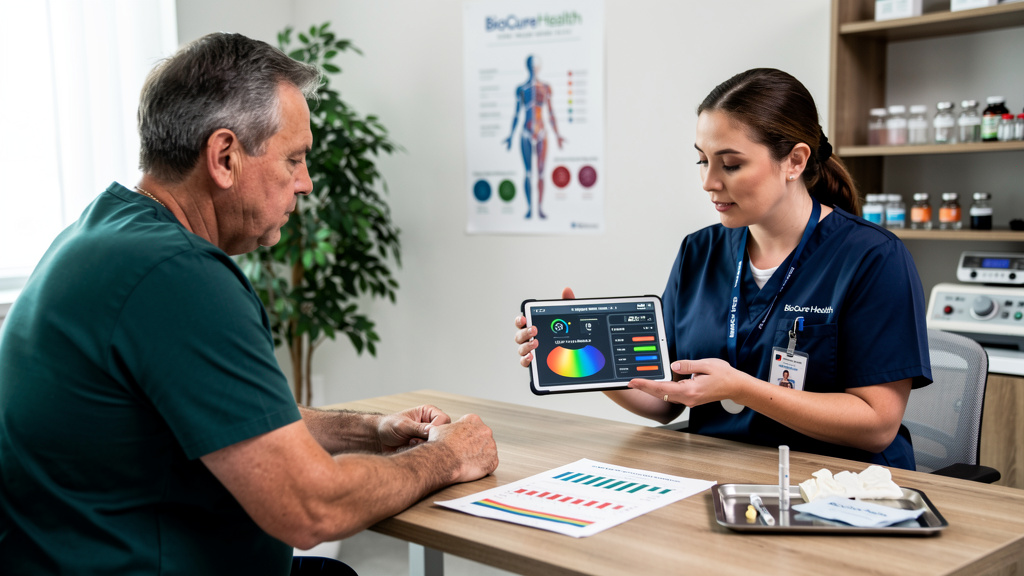
How to start GLP-1 weight loss in 2026: 6 steps from intake to first dose
To start a GLP-1 weight loss program, you need a prescriber to confirm you qualify (generally a BMI of 30 or higher, or 27 or higher with a weight-related condition), screen you for safety issues such as a personal or family history of medullary thyroid cancer, and order baseline labs. Once you and your prescriber choose semaglutide or tirzepatide, you start at the lowest weekly dose and step up every 4 weeks while your clinician monitors side effects and progress. Depending on how quickly labs come back, the path from first intake to first dose usually takes a few weeks.
Below are the six steps in order. The eligibility numbers and dosing schedules come from the FDA prescribing information for Wegovy and Zepbound, published on DailyMed.
| Step | What happens | What you leave with |
|---|---|---|
| 1. Eligibility | BMI and weight-related conditions are checked | A yes, no or "let's discuss" |
| 2. Screening | Medical history reviewed against label warnings | A list of risks to manage |
| 3. Baseline labs | Blood work for glucose, kidneys, liver, lipids, thyroid | A starting point to measure from |
| 4. Medication choice | Prescriber matches drug to your health profile | A prescription |
| 5. Titration | Lowest dose first, stepped up every 4 weeks | Your first dose and a schedule |
| 6. Follow-up | Check-ins, side effects, nutrition, maintenance | A long-term plan |
Step 1: Check whether you are eligible
Wegovy (semaglutide) and Zepbound (tirzepatide) are FDA approved for chronic weight management, alongside a reduced-calorie diet and more physical activity, in adults who have:
- A BMI of 30 kg/m² or higher (obesity), or
- A BMI of 27 kg/m² or higher (overweight) plus at least one weight-related condition, such as high blood pressure, type 2 diabetes, high cholesterol (dyslipidemia) or obstructive sleep apnea.
Both labels now reach beyond weight alone. Wegovy is also approved to reduce the risk of major cardiovascular events in adults with established heart disease and either obesity or overweight, and it is approved for adolescents 12 and older with obesity. Zepbound is also approved for moderate to severe obstructive sleep apnea in adults with obesity.
The National Institute of Diabetes and Digestive and Kidney Diseases (NIDDK), in its guide to prescription medications for overweight and obesity, makes the same point the labels do: these medicines are meant for people whose weight carries health risk, and they work best combined with changes in eating and activity. BMI is a screening number, not a verdict, so a good prescriber also looks at waist size, body composition and your full history.
Step 2: Get a medical screening
This is the step that separates real medical care from a vending machine. Both Wegovy and Zepbound carry a boxed warning for thyroid C-cell tumors, based on rodent studies; whether they cause these tumors in humans is unknown. Because of that, both are contraindicated if you have a personal or family history of medullary thyroid carcinoma (MTC) or Multiple Endocrine Neoplasia syndrome type 2 (MEN 2), or a prior serious allergic reaction to the drug.
Your prescriber should also review:
- Pancreatitis. A past episode calls for caution and a conversation.
- Gallbladder disease. Gallstones are a known risk, especially with rapid weight loss.
- Kidney function. Vomiting and diarrhea can cause dehydration, which can strain the kidneys.
- Diabetic retinopathy. If you have type 2 diabetes, the semaglutide label flags possible worsening with rapid glucose improvement.
- Other diabetes medicines. Insulin or a sulfonylurea raises the risk of low blood sugar.
- Pregnancy plans. These drugs are not for use in pregnancy. The Wegovy label advises stopping at least 2 months before a planned pregnancy. The Zepbound label notes it can make oral birth control less effective and advises a non-oral method, or adding a barrier method, for 4 weeks after starting and after each dose increase.
- Upcoming procedures. Tell your surgical and anesthesia team you take a GLP-1, because slowed stomach emptying raises the risk of aspiration under anesthesia.
On mental health: earlier labels carried a warning about suicidal behavior and ideation. The FDA requested removal of that warning after its review did not find evidence that these medicines cause suicidal thoughts or actions. Still share any history of depression; it is part of a complete picture.
Step 3: Complete your baseline labs
The labels do not mandate one specific panel, but most prescribers want numbers before the first dose. Your clinician sets the final list.
| Test | Why it matters before a GLP-1 |
|---|---|
| A1c or fasting glucose | Finds prediabetes or diabetes, which changes medication choice and monitoring |
| Comprehensive metabolic panel | Checks kidney function, liver enzymes and electrolytes |
| Lipid panel | Identifies dyslipidemia and sets a cardiovascular baseline |
| TSH | Screens for an underactive thyroid that can drive weight gain |
| Pregnancy test | Rules out pregnancy where relevant |
The real value of labs is not the gatekeeping. It is the baseline. Six months in, you want to see your A1c, triglycerides and liver enzymes move, not just the scale.
At BioCure, semaglutide and tirzepatide each require a consultation plus a blood panel. You can do diagnostics with an at-home kit and an in-home phlebotomist visit, or at a lab, with results in 7 to 14 days. Our comprehensive panels cover hormones, thyroid, lipids, metabolic and organ markers, and every result is interpreted with a specialist.
Step 4: Choose the medication with your prescriber
| Medication | How you take it | Mechanism | Weight-management status |
|---|---|---|---|
| Semaglutide (Wegovy) | Weekly injection | GLP-1 receptor agonist | FDA approved |
| Tirzepatide (Zepbound) | Weekly injection | GIP and GLP-1 receptor agonist | FDA approved |
| Oral semaglutide | Daily pill | GLP-1 receptor agonist | Confirm current approval with your prescriber |
| Orforglipron (Foundayo) | Daily pill | Non-peptide GLP-1 receptor agonist | Confirm current approval with your prescriber |
Oral options have moved fast, so ask your prescriber which are approved and stocked when you start. Ozempic and Mounjaro contain the same molecules as Wegovy and Zepbound but are approved for type 2 diabetes; using them for weight alone is off label, and insurers treat them differently.
How a prescriber chooses usually comes down to:
- Your conditions. Sleep apnea points toward Zepbound's indication; established heart disease points toward Wegovy's cardiovascular indication.
- Tolerance. Past side effects on one drug, or a strong preference for a pill over a shot.
- Access and cost. Coverage, supply and what you will pay each month.
For a deeper look, read our comparison of semaglutide vs tirzepatide.
Step 5: Start low and titrate up
GLP-1s start at a low dose so your gut can adapt. The first doses are for tolerance, not weight loss, so do not judge results in month one.
| Weeks | Wegovy (semaglutide) weekly | Zepbound (tirzepatide) weekly |
|---|---|---|
| 1 to 4 | 0.25 mg | 2.5 mg |
| 5 to 8 | 0.5 mg | 5 mg |
| 9 to 12 | 1 mg | 7.5 mg, if increasing |
| 13 to 16 | 1.7 mg | 10 mg, if increasing |
| 17 to 20 | 2.4 mg maintenance | 12.5 mg, if increasing |
| 21 onward | 2.4 mg | 15 mg maximum |
Wegovy steps up every 4 weeks to a 2.4 mg maintenance dose, with 1.7 mg as a maintenance option if 2.4 mg is not tolerated. Zepbound rises in 2.5 mg steps every 4 weeks, and maintenance can be 5, 10 or 15 mg; not everyone needs to climb to the top. Your prescriber may hold you at a dose longer if side effects are hard to manage. Inject on the same day each week in the abdomen, thigh or upper arm.
Step 6: Follow up, manage side effects and plan for maintenance
Follow-up is where results are made. Most programs check in around each dose step during titration, then less often once you reach maintenance.
Side effects. The most common are nausea, diarrhea, vomiting, constipation and abdominal pain, usually worst after a dose increase. Smaller meals, stopping when you feel full, going easy on greasy food and staying hydrated help. Severe or persistent abdominal pain, pain under the right ribs with fever or yellowing skin, or signs of dehydration need prompt evaluation by a clinician.
Protein and strength training. Some of the weight you lose can be muscle. Hitting a daily protein target and lifting regularly help protect lean mass, which matters for metabolism, strength and healthy aging.
Maintenance. Yale Medicine's guide to getting started and NIDDK both frame these medicines as long-term treatment, not a short course. Weight regain after stopping is common, so plan for maintenance from day one. See how we approach that in from fat loss to fit longevity.
Where to start: four ways to get a GLP-1 prescription
Judge any option by the same criteria: does a licensed clinician review your history and labs before prescribing, is titration individualized, is follow-up included, and is it clear what medication you are getting and what you will pay.
| Where | What it looks like | How pricing works | Good fit if |
|---|---|---|---|
| Primary care | Your regular doctor, who knows your history | Usually insurance; drug coverage varies and may need prior authorization | You want care in one place and have coverage |
| Obesity medicine specialist | A physician with dedicated training in obesity treatment | Insurance or cash, depending on the practice | You have a complex history or have struggled before |
| Endocrinologist | A hormone and metabolism specialist | Usually insurance, often by referral | You have complicated diabetes or thyroid disease |
| Physician-led telehealth | Video visits, home labs, shipped medication | Usually cash-pay or membership; check what is included | You want speed, convenience and built-in follow-up |
BioCure is a physician-led telehealth program licensed in 47 states, with a clinic in the Fort Lauderdale area for patients who prefer in person. Here is how our weight loss program works:
- Online intake, about 5 minutes.
- Video consultation with a physician: $199, which can be credited back with a membership.
- Labs at home or in a lab, with results in 7 to 14 days.
- A custom protocol, explained in a 1:1 review of your results.
- Medication shipped to your door, typically 5 to 10 business days after your consultation and testing, with ongoing check-ins and maintenance support.
BioCure is a fit if you want physician oversight with labs built in and are paying cash, HSA or FSA. It is not the right fit if you need insurance to cover your care directly, since we do not accept insurance; we do provide documentation for HSA and FSA reimbursement. You can meet the physicians on our team or contact us with questions.
Frequently asked questions
Can I get a GLP-1 for weight loss if my BMI is under 27?
Under the FDA labels for Wegovy and Zepbound, the weight-management indication starts at a BMI of 27 with a weight-related condition, or 30 without one. Below that, prescribing would be off label and depends on your clinician's judgment. Ask about your full metabolic picture rather than the number alone.
How long does it take to start semaglutide or tirzepatide?
Usually a few weeks, mostly waiting on labs and medication delivery. At BioCure, lab results take 7 to 14 days and medication typically ships 5 to 10 business days after your consultation and testing. Your first dose is the lowest one, so expect results to build over months.
Do I need blood work before starting a GLP-1?
The labels do not require a specific panel, but most prescribers order one. A typical baseline includes A1c or fasting glucose, a comprehensive metabolic panel, a lipid panel and TSH, plus a pregnancy test where relevant. BioCure requires a blood panel before prescribing semaglutide or tirzepatide.
Does insurance cover GLP-1s for weight loss?
Coverage varies widely by plan, and many plans exclude weight-loss drugs or require prior authorization. Call your insurer and ask specifically about Wegovy and Zepbound. BioCure does not accept insurance directly, but many patients use HSA or FSA funds with the invoices we provide.
What happens if I stop taking a GLP-1?
Weight regain after stopping is common, which is why Yale Medicine and NIDDK describe these medicines as long-term treatment. If you plan to taper or stop, do it with your prescriber and keep your protein, strength training and eating habits in place.
Longevity is not accidental, it is intentional, and the same is true of weight loss. The six steps above are how you start a GLP-1 by design: qualified, screened, measured and followed, not guessed.
Let BioCure Health lead you in the right direction. Call or text us to schedule an introductory call at 754-206-0838. Your future self will thank you.