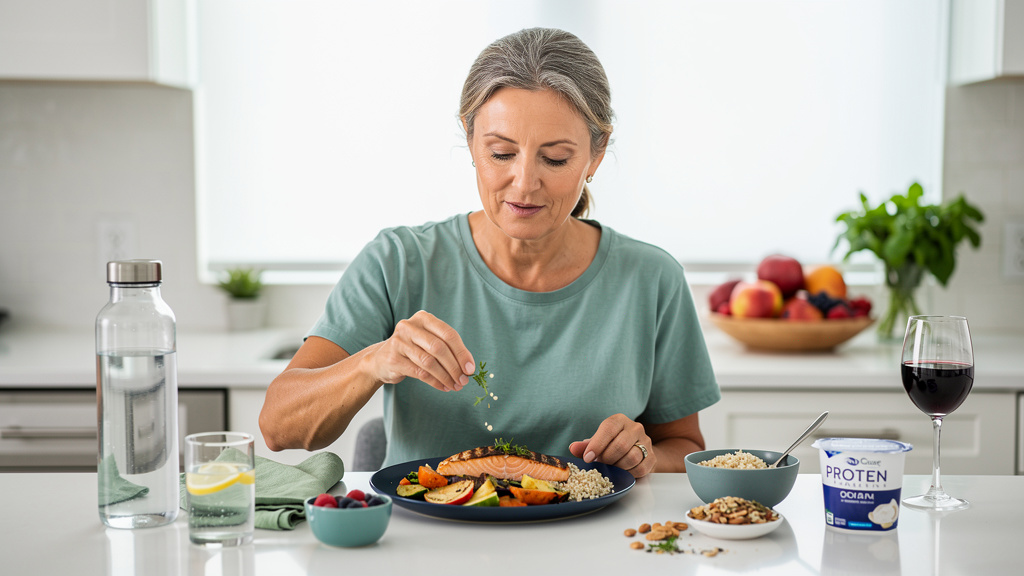
What to eat on semaglutide or tirzepatide: a no-crash-diet plan
On semaglutide or tirzepatide, you do not need an extreme diet. Build smaller meals around protein, add fiber gradually with plenty of fluids, limit greasy high-fat meals that can worsen nausea, keep alcohol light, and choose nutrient-dense foods so a smaller appetite still covers your vitamins and minerals. The medication turns down hunger; your food choices help protect muscle and make the side effects easier to live with.
That is the short answer to whether GLP-1 therapy can help you lose weight without extreme dieting. It can make a calorie deficit feel far less like a fight. But it was never designed to work alone. Both Wegovy (semaglutide) and Zepbound (tirzepatide) are FDA approved for chronic weight management as an addition to a reduced-calorie diet and more physical activity, according to their FDA prescribing information. The NIDDK's guidance for clinicians frames these medications the same way: one part of a plan that also includes how you eat and move.
In 2025, four professional groups, the American College of Lifestyle Medicine, the American Society for Nutrition, the Obesity Medicine Association and The Obesity Society, published a joint advisory on nutritional priorities to support GLP-1 therapy for obesity. Its core message is the one this guide makes practical: when you are eating less, what you eat matters more.
Protein first, at every meal
When appetite drops, protein is usually the first thing to slide. That is a problem, because rapid weight loss can take muscle along with fat, and muscle is what keeps your metabolism, strength and balance working as you age. Protecting it is one of the main nutrition priorities the joint advisory highlights.
The practical rule is simple: eat your protein first. Before the rice, the bread or the side dish, start with the chicken, fish, eggs, Greek yogurt, tofu or lentils. If you fill up halfway through the plate, you have already eaten the part that matters most.
Your exact daily protein target depends on your body size, kidney function and goals, so it is worth setting a number with your clinician rather than copying one from social media. What you can do today:
- Aim for a palm-sized portion or more of protein at each meal.
- Keep easy options on hand: cottage cheese, eggs, canned tuna or salmon, rotisserie chicken, edamame, protein shakes.
- Use a shake or a high-protein yogurt on days when solid food feels like too much.
- Pair protein with resistance training two or more days a week. Food supplies the building blocks; lifting tells your body to keep the muscle.
Fiber and fluids to keep things moving
Constipation is one of the most common side effects listed in the FDA prescribing information for both semaglutide and tirzepatide. GLP-1 medications slow how quickly your stomach empties, and eating less food overall means less bulk moving through your gut. Add too little water and things stall.
The fix is not complicated, but it works best done gradually:
- Add fiber slowly. Vegetables, berries, pears, beans, lentils, oats, chia and whole grains all help. Jumping from very little fiber to a lot overnight can cause bloating and gas, which is the last thing you want on top of slowed digestion.
- Drink steadily through the day. Water, sparkling water, herbal tea and broth all count. A smaller appetite often comes with less thirst, so set reminders if you need to.
- Move daily. A walk after meals supports digestion and blood sugar.
If you are already dealing with it, our guide on how to prevent constipation while on weight loss medications goes deeper on food, fluids and gentle remedies. Severe abdominal pain, or no bowel movement for several days with pain or vomiting, is a reason to contact your clinician promptly rather than wait it out.
Smaller meals, slower eating, lighter on grease
Nausea is the side effect that makes many people want to quit. Much of it comes from the same slowed stomach emptying: a large or heavy meal sits longer, and your body notices.
The NIDDK clinician guidance points to eating habits as a first step in managing the gastrointestinal effects of these medications. In practice, these changes help most people:
| Habit | Why it helps |
|---|---|
| Eat smaller portions, more often | Less food in a slowly emptying stomach at one time |
| Slow down and put the fork down between bites | Gives fullness signals time to arrive before you overeat |
| Stop at comfortably satisfied, not full | Fullness arrives faster and lasts longer on a GLP-1 |
| Limit fried, greasy and very rich meals | High-fat meals digest slowly and are common nausea triggers |
| Go easy on very sugary foods and drinks | Can worsen nausea and other stomach symptoms for some people |
| Avoid lying down right after eating | Reduces reflux and that heavy, sick feeling |
Nausea is often worst in the days after starting or increasing a dose. That is one reason doses are increased in steps rather than started high. If symptoms are persistent or you cannot keep fluids down, tell your prescriber; dose timing and escalation can be adjusted.
Micronutrients to watch when you eat less
A smaller appetite means less room on your plate for vitamins and minerals. This is where crash diets and GLP-1 therapy overlap in a risky way: eat very little, and eat mostly low-nutrient food, and gaps can build over months.
The joint advisory emphasizes nutrient-dense, minimally processed foods for exactly this reason. Nutrients clinicians commonly keep an eye on when intake falls include:
- Iron: found in lean red meat, poultry, beans, lentils and leafy greens. Low iron can show up as fatigue or shortness of breath with exertion.
- Calcium: from dairy, fortified plant milks, canned fish with bones and tofu set with calcium. Important for bones during weight loss.
- Vitamin D: from fatty fish, eggs, fortified foods and sunlight. Low levels are common even before treatment.
- Vitamin B12: from animal foods and fortified foods. Worth extra attention if you eat little meat or also take metformin.
A basic multivitamin is a reasonable safety net for many people, but guessing is not the same as knowing. Testing shows whether you actually have a gap and whether it is closing. BioCure offers a micronutrient test ($585) and comprehensive Male and Female panels covering hormones, thyroid, lipids, metabolic and organ markers, so your nutrient and metabolic status can be checked during treatment rather than assumed.
Alcohol on semaglutide or tirzepatide
There is no need to pretend alcohol does not exist, but it deserves a plan. Here is why:
- It adds calories without nutrition. On a small appetite, a couple of drinks can take up room that protein and vegetables should fill.
- It can worsen stomach symptoms. Many people on GLP-1 medications report that alcohol hits harder or sits worse than it used to.
- Pancreatitis is a listed warning. The FDA prescribing information for both semaglutide and tirzepatide includes acute pancreatitis as a warning, and heavy drinking is a well-known risk factor for pancreatitis on its own.
- Blood sugar risk with diabetes medications. If you also take insulin or a sulfonylurea, alcohol can raise the risk of low blood sugar.
If you drink, keep it occasional and modest, have it with food, alternate with water, and pay attention to how your body responds. Many patients find they simply want less, and that is a welcome side effect.
A sample day of eating on a GLP-1
This is what "not extreme" looks like on a plate. Portions are intentionally modest because your appetite will be. Adjust for your preferences, cultural foods and any medical conditions.
| Time | What to eat | Why it works |
|---|---|---|
| Breakfast | Two eggs scrambled with spinach, half a slice of whole grain toast, a few berries | Protein first, fiber, iron and folate from greens |
| Mid-morning | Greek yogurt with chia seeds | Protein, calcium and gentle fiber |
| Lunch | Grilled chicken or salmon over mixed greens with chickpeas, olive oil and lemon | Lean protein, fiber and a moderate amount of healthy fat |
| Afternoon | Cottage cheese with sliced pear, or a protein shake | Protein when a full meal sounds like too much |
| Dinner | Baked white fish or tofu, roasted vegetables, a small scoop of brown rice or quinoa | Light on grease, easy on the stomach, balanced plate |
| Through the day | Water, sparkling water, herbal tea or broth | Fluids to support digestion and prevent constipation |
Notice what is missing: no fasting days, no cutting out entire food groups, no forcing yourself to eat when you are full. The medication does the appetite work. Your job is to make each smaller meal count.
Why this matters for keeping the weight off
The consensus across FDA labeling, NIDDK guidance and the obesity medicine field is that weight tends to return when these medications are stopped. The habits you build while appetite is quieter, protein at every meal, regular movement, sensible portions, are the same habits that protect your results later, whether you stay on treatment long term or eventually step down under medical supervision.
That is where physician oversight earns its place. At BioCure Health, medical weight loss with semaglutide or tirzepatide starts with a consultation and a blood panel, uses weekly injections with escalating doses followed by maintenance, and includes regular check-ins and maintenance support after you reach your goal. The physician video consultation is $199 and can be credited back with a membership. Lab results typically return in 7 to 14 days, and medication ships to your door. BioCure is licensed to treat patients in 47 states, with availability confirmed at intake, and many patients use HSA or FSA funds with the documentation BioCure provides.
Frequently asked questions
Do I have to diet while taking semaglutide or tirzepatide?
You do not need an extreme diet, but you do need a healthy eating pattern. Wegovy and Zepbound are FDA approved as an addition to a reduced-calorie diet and more physical activity. The medication makes eating less easier; choosing protein, fiber and nutrient-dense foods makes that weight loss healthier.
How much protein should I eat on a GLP-1?
Enough to include a solid portion at every meal, eaten first. Your ideal daily number depends on your body size, kidney health and activity level, so set it with your clinician. Pairing protein with resistance training is the best way to protect muscle while you lose weight.
What foods make nausea worse on Ozempic, Wegovy or Zepbound?
Large portions, fried and greasy foods, very rich meals and very sugary foods are common triggers. Eating smaller meals slowly and stopping when comfortably satisfied usually helps. Nausea is often strongest after a dose increase and tends to ease with time.
Can I drink alcohol on semaglutide or tirzepatide?
Occasional, modest drinking is not automatically off limits for most people, but it adds empty calories and can worsen stomach symptoms. Pancreatitis is a listed warning for these medications, and heavy drinking raises that risk independently. If you take insulin or a sulfonylurea, alcohol can also increase the chance of low blood sugar.
Should I take vitamins while on a GLP-1?
A basic multivitamin is a reasonable safety net for many people eating much less than before. Nutrients like iron, calcium, vitamin D and B12 are worth watching when intake drops. Lab testing tells you whether you actually have a gap instead of guessing.
Will I gain the weight back if I stop my GLP-1?
Weight regain after stopping is common, which is why lasting habits matter. Building protein-forward meals, regular movement and sensible portions while on treatment gives you the best chance of keeping results. Any change to your medication should be planned with your prescriber.
Longevity is not accidental, it is intentional, and the same is true of weight loss. A GLP-1 can quiet the noise of constant hunger, but what you put on your plate decides how strong, nourished and well you feel along the way.
Let BioCure Health lead you in the right direction. Call or text us to schedule an introductory call at 754-206-0838, your future self will thank you.