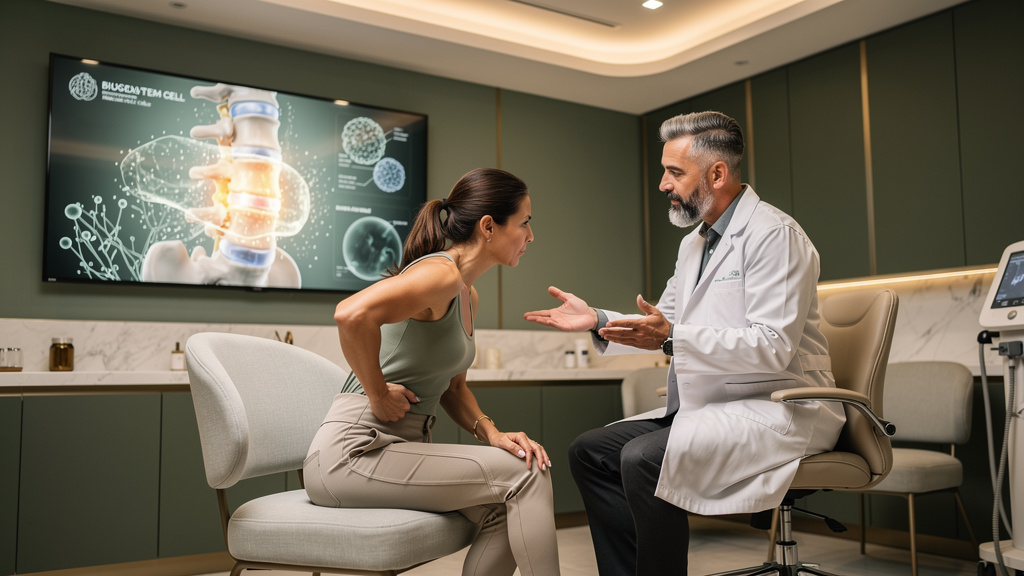
What are MUSE Stem Cells?
Your body is not one system. It is dozens of systems layered on top of each other, communicating constantly, breaking down in different ways at different rates. So when you think about repair at the cellular level, the question is not simply whether a cell can regenerate. The question is whether it can regenerate the right tissue, in the right place, across the full spectrum of your biology. That is where MUSE cells rewrite the rules entirely.
1. MUSE Cells Are Naturally Pluripotent, No Genetic Hacking Required
Most people hear the word "pluripotent" and think of induced pluripotent stem cells, or iPSCs. Those cells require genetic reprogramming using transcription factors to gain their versatility. The process works, but it introduces the risk of tumorigenic mutations and genomic instability. MUSE cells, short for Multilineage Differentiating Stress Enduring cells, are endogenously pluripotent. They already live in your bone marrow, adipose tissue, and connective tissue. They already possess the capacity to become cells from all three embryonic germ layers: ectoderm, mesoderm, and endoderm. No viral vectors. No forced gene expression. No lab manipulation to unlock what nature already built into them.
2. Triple Germ Layer Differentiation Means True Multi-System Reach
This is the detail that separates MUSE cells from standard mesenchymal stem cells, or MSCs. Traditional MSCs are multipotent, meaning they can differentiate into a limited range of cell types, primarily bone, cartilage, and fat within the mesodermal lineage. MUSE cells go further. They can generate ectodermal cells such as neurons and skin cells, mesodermal cells such as cardiac muscle and vascular tissue, and endodermal cells such as hepatocytes and insulin producing pancreatic cells. A single cell population with the innate capacity to address your nervous system, your cardiovascular system, and your metabolic organs. That is not incremental improvement. That is a fundamentally different category of cellular tool.
3. Standard MSCs Hit a Ceiling That MUSE Cells Do Not
MSCs have earned their place in regenerative medicine. They are well studied, widely available, and effective for targeted musculoskeletal repair. But their limitations are real. When you inject standard MSCs into damaged cardiac tissue, their ability to transdifferentiate into functional cardiomyocytes is extremely limited. Research has shown that MUSE cells, which represent roughly 1 to 3 percent of the total MSC population in bone marrow, are actually responsible for much of the regenerative benefit previously attributed to the broader MSC population. In other words, the most powerful fraction of MSCs has been hiding in plain sight. Isolating and concentrating that fraction changes the therapeutic ceiling entirely.
4. MUSE Cells Home to Damaged Tissue on Their Own
One of the most compelling characteristics of MUSE cells is their ability to selectively migrate toward sites of injury. When tissue is damaged, it releases sphingosine 1 phosphate, or S1P, a signaling lipid. MUSE cells express the S1P receptor and respond by migrating through the bloodstream to the exact location where repair is needed. Once they arrive, they engraft into the damaged tissue and spontaneously differentiate into the appropriate cell type based on the local microenvironment. This is not a passive process that requires a clinician to place cells precisely at the target. The cells find the damage themselves. For someone optimizing their biology across multiple systems simultaneously, this homing mechanism is extraordinarily efficient.
5. They Resist Stress That Destroys Other Cells
The "Stress Enduring" portion of the MUSE acronym is not marketing language. It is a defining biological feature. MUSE cells were originally identified by their ability to survive extreme stress conditions, including prolonged trypsin incubation, serum deprivation, and hypoxic environments that kill the vast majority of other cell populations. This resilience means they persist longer in hostile tissue environments, such as ischemic zones following a stroke or regions of chronic inflammation. Where standard MSCs may lose viability before they can contribute meaningfully, MUSE cells endure long enough to engraft and differentiate. Durability at the cellular level translates directly to durability in the therapeutic outcome.
6. No Tumor Formation Risk Sets Them Apart From iPSCs
The tumor risk associated with iPSCs is well documented. Because iPSCs are reprogrammed using oncogene related transcription factors like c-Myc, they carry a real risk of forming teratomas, tumors composed of disorganized tissue from multiple germ layers. MUSE cells bypass this risk entirely. Studies in animal models have demonstrated that MUSE cells, even when transplanted into immunodeficient mice, do not form teratomas. Their pluripotency is self-regulated. They differentiate in response to environmental cues rather than uncontrolled proliferation signals. For anyone serious about longevity, the safety profile of a therapeutic tool matters as much as its efficacy. A cell that can repair without creating new problems is not just effective. It is trustworthy.
7. MUSE Cells Represent the Future of Personalized, Multi-System Longevity
Longevity is not about addressing one organ, one hormone, or one biomarker. It is about building a body that functions at a high level across every system, year after year. MUSE cells align with that philosophy more precisely than any other cell type currently in regenerative science. Because they can be harvested from a patient's own tissue, they carry minimal immunogenic risk. Because they differentiate across all three germ layers, they are relevant to neural degeneration, cardiovascular decline, liver function, metabolic health, and tissue integrity simultaneously. Because they home to damage and resist hostile environments, they work efficiently with minimal intervention. This is what the next generation of biological optimization looks like: a single cellular platform capable of reading your body's needs and responding accordingly.
The people who stay ahead in longevity are the ones who understand emerging science before it becomes mainstream. MUSE cell technology represents a shift in how we think about cellular repair, moving from narrow, lineage restricted tools to a pluripotent platform that matches the complexity of your own biology. This is precision at the deepest level, and it is arriving faster than most people realize.
Let BioCure Health lead you in the right direction. Call or text us to schedule an introductory call at 754-206-0838. Your future self will thank you.